IoT Oil Field Monitoring System
Early Warnings Today. No Shutdown Tomorrow.
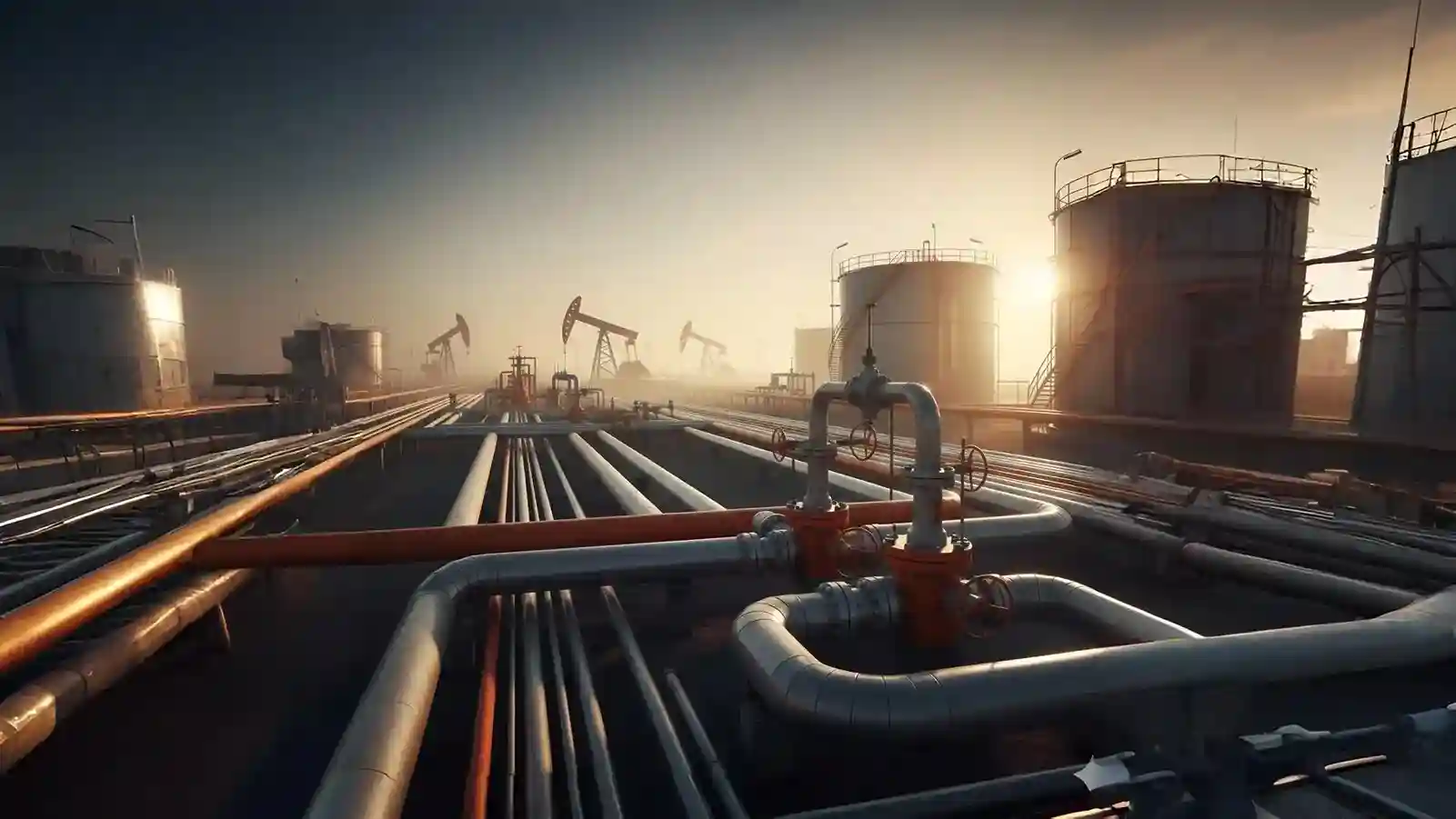
EIT's IoT Oil Field Monitoring System is an advanced remote oil field monitoring solution designed specifically for oil and gas operations. The system enables continuous real-time monitoring of oil wells, ESP pumps, and electrical parameters to ensure safe operation, reduce production downtime, and protect high-value field equipment.
In modern oil fields, especially in remote desert locations, continuous oil field monitoring is no longer optional — it is essential. Our platform combines industrial IoT and smart analytics to support smart oil field management, giving operators full visibility of well performance from anywhere. This allows teams to detect abnormal conditions early and make faster operational decisions.
Challenges in Oil Well & ESP Operations
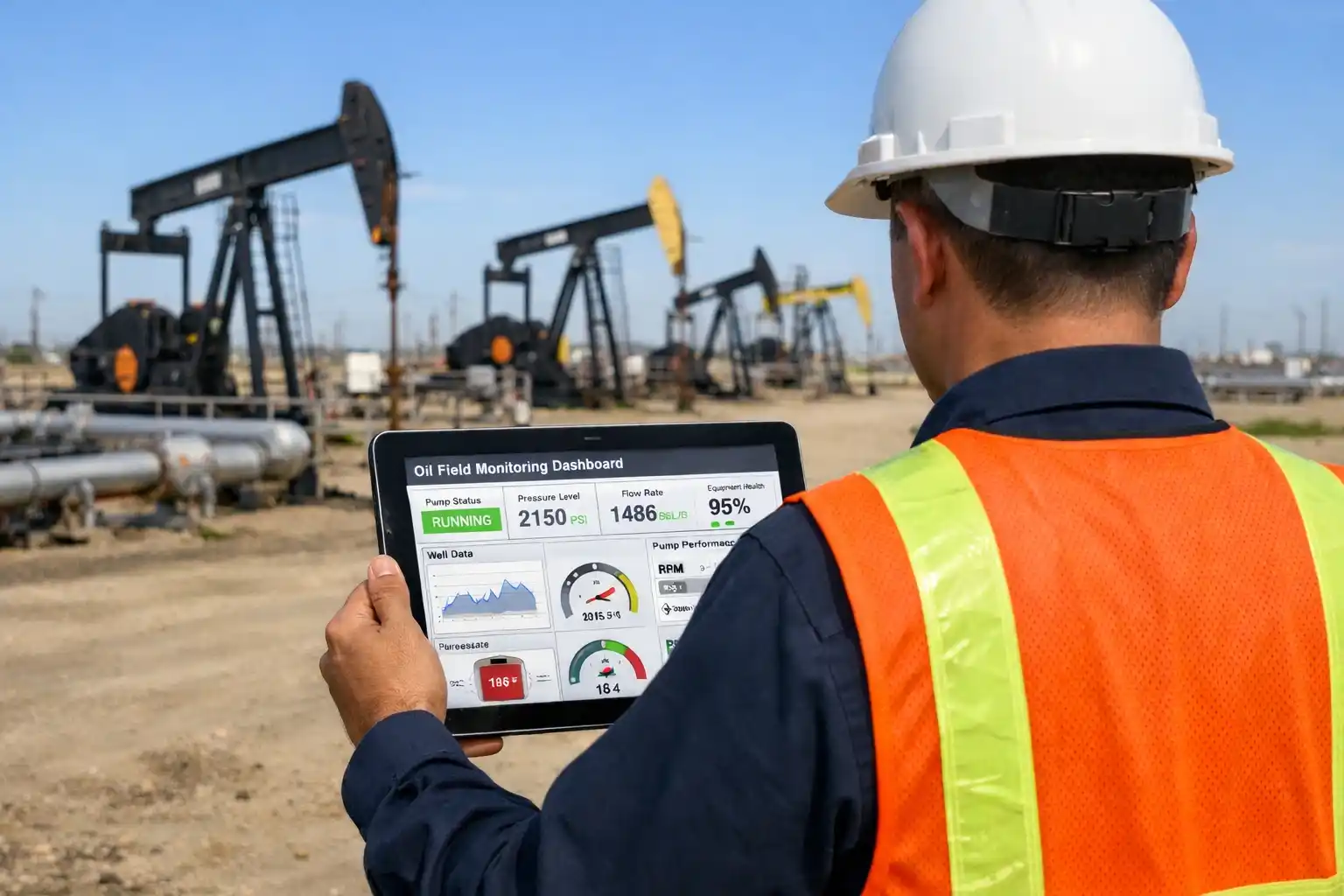
Oil wells operating with Electric Submersible Pumps (ESPs) are highly sensitive to electrical imbalances, overheating, dry-running, and mechanical stress. Even minor fluctuations in voltage or load conditions can significantly impact pump lifespan and production efficiency.
This can result in:
Gradual Decline in Pump Performance
Pump efficiency degrades over time without visible indicators, leading to reduced output and increased energy costs before operators can respond.
Voltage Imbalance Damaging Motor Windings
Even minor voltage imbalances across phases can cause excessive heating in motor windings, accelerating insulation breakdown and shortening ESP lifespan.
Dry-Run Conditions Leading to Overheating
When fluid levels drop below the pump intake, dry-run conditions cause rapid overheating and can destroy the ESP motor within minutes.
Frequent Tripping Due to Unstable Power Supply
Unstable power supply causes repeated tripping events, each restart cycle adding mechanical and electrical stress to the entire ESP system.
Production Decline Without Clear Indication
Output gradually decreases between inspection intervals, and without continuous monitoring the root cause remains unidentified until significant losses occur.
By the time these problems are identified, operators may already face expensive motor replacement, unplanned shutdowns, and production loss. Modern oil field monitoring systems eliminate this gap by providing continuous surveillance of well health, electrical parameters, and production behavior.
Comprehensive Monitoring Capabilities
Our IoT Oil Field Monitoring System provides end-to-end visibility across well operations, electrical systems, and production infrastructure — enabling proactive decision-making and reducing downtime.
Well & Downhole Monitoring
Continuously monitors wellhead pressure, tubing pressure, casing pressure, temperature, flow behavior, and pump load to detect early signs of declining performance.
Monitored parameters:
- Wellhead pressure
- Tubing pressure
- Casing pressure
- Temperature conditions
- Flow behavior indication
- Pump load behavior
Electrical & ESP Motor Monitoring
Provides detailed visibility into electrical performance to prevent motor damage and extend ESP lifespan.
Monitored parameters:
- Phase voltage
- Phase current
- Voltage imbalance
- Power consumption (kW)
- Power factor
- Frequency variations
- Motor temperature
- Start and stop cycles
Operational Status Monitoring
Tracks operational patterns and equipment behavior to detect abnormal operating conditions early.
Monitored parameters:
- Pump running or idle condition
- Unexpected shutdowns
- Frequent tripping events
- Gradual performance degradation
- Irregular operating cycles
Fault Conditions Detected by the System
The oil field monitoring system is designed to detect and alert operators about a wide range of critical failure conditions, including:
Dry-run operation
Detects when the pump operates without sufficient fluid, preventing damage from overheating and mechanical wear.
Pump overload conditions
Monitors excessive load on the pump motor to prevent burnout and extend equipment lifespan.
Overcurrent faults
Identifies when current exceeds safe operating limits, triggering protective alerts before damage occurs.
Under-voltage & over-voltage
Tracks voltage fluctuations that can degrade motor windings and reduce operational efficiency.
Phase failure in power supply
Detects loss of one or more power phases, which can cause motor stalling and severe damage.
Voltage imbalance problems
Monitors uneven voltage distribution across phases that leads to excessive heat and vibration.
Motor overheating risks
Continuous temperature monitoring to prevent thermal damage and extend motor service life.
Abnormal start failure
Identifies failed or abnormal pump startups, enabling quick diagnosis and corrective action.
Sudden shutdown & declining trends
Tracks unexpected shutdowns and gradual production decline for proactive maintenance planning.
It can also integrate with an oil field gas monitor to alert operators of hazardous gas accumulation near wells or control panels, improving safety compliance.
Early identification enables preventive action before damage occurs.
How It Works
Data Capture
IoT sensors collect real-time operational data from field equipment and assets.
Data Transmission
Data is securely sent to the cloud via GSM, NB-IoT, LoRa, Satellite, or Internet.
Cloud Processing
The cloud stores and processes data for monitoring, analysis, and reporting.
Dashboard & Control
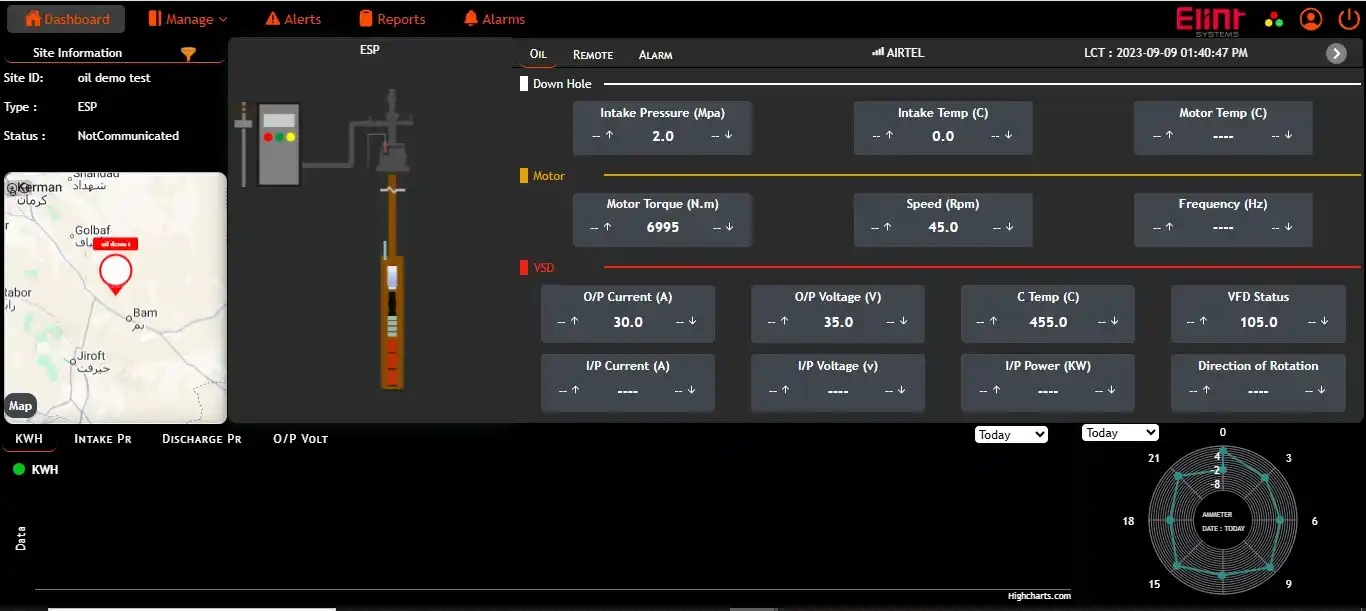
Users monitor data, receive alerts, and send remote control commands through a web/mobile dashboard.
Operational Benefits for Oil Field Operators
Prevention of ESP Pump Failure
Early detection of abnormal electrical and operational conditions prevents motor burn and premature equipment failure.
Continuous Real-Time Monitoring
24/7 visibility into well performance, pressure, temperature, and flow rate through a centralized dashboard.
Maximized Production Uptime
Identify issues before they escalate and keep wells producing at optimal capacity.
Predictive Maintenance Scheduling
Data-driven insights allow teams to plan maintenance proactively and reduce costly emergency repairs.
Remote Operations Management
Monitor remote oil field locations without constant physical presence.
Enhanced Safety & Compliance
Automated alerts for hazardous conditions improve worker safety and regulatory compliance.
Energy Efficiency Optimization
Track power consumption and optimize ESP pump performance to reduce operational costs.
Why Choose Ethical Intelligent Technologies
Ethical Intelligent Technologies combines industrial IoT expertise with real-world oil production requirements. Our oil field monitoring systems are engineered for harsh environments, seamless integration with existing control panels, and long-term scalability. We focus not only on collecting data but on delivering actionable insights that improve production reliability, safety, and efficiency — the foundation of modern smart oil field management.
Industrial IoT Expertise
Ethical Intelligent Technologies combines industrial IoT expertise with real-world oil production requirements.
Harsh Environment Ready
Our oil field monitoring systems are engineered for harsh environments, seamless integration with existing control panels, and long-term scalability.
Actionable Insights
We focus not only on collecting data but on delivering actionable insights that improve production reliability, safety, and efficiency.
Smart Oil Field Management
Enable modern digital oil field operations with better visibility, control, and decision-making.
Typical Applications
Onshore Oil Fields
Monitoring electrical and operational performance across large onshore oil production environments.
Frequently Asked Questions
Everything you need to know about Oil Field monitoring